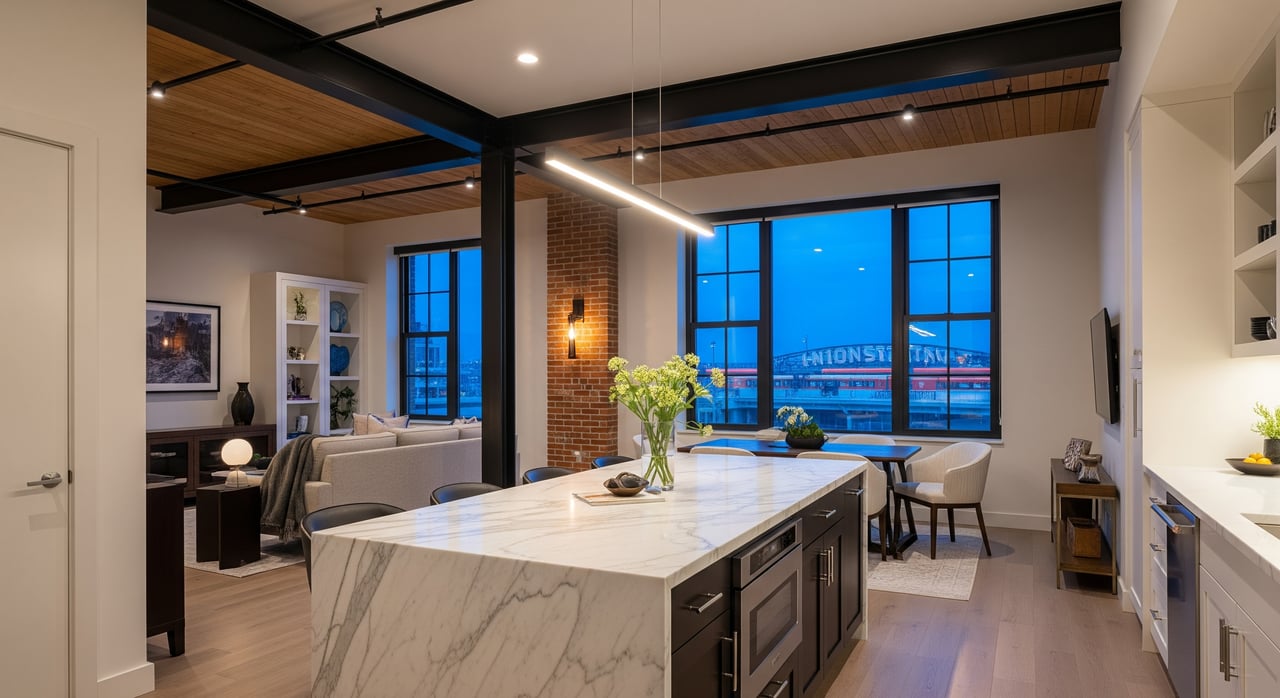
Trying to choose between a historic LoDo loft and a modern condo near Union Station? You are not alone. Both offer a true downtown lifestyle, but they live very differently day to day. In this guide, you will learn how space, sound, systems, amenities, parking, and HOA realities compare so you can match your choice to your priorities. Let’s dive in.
Lofts vs. condos at a glance
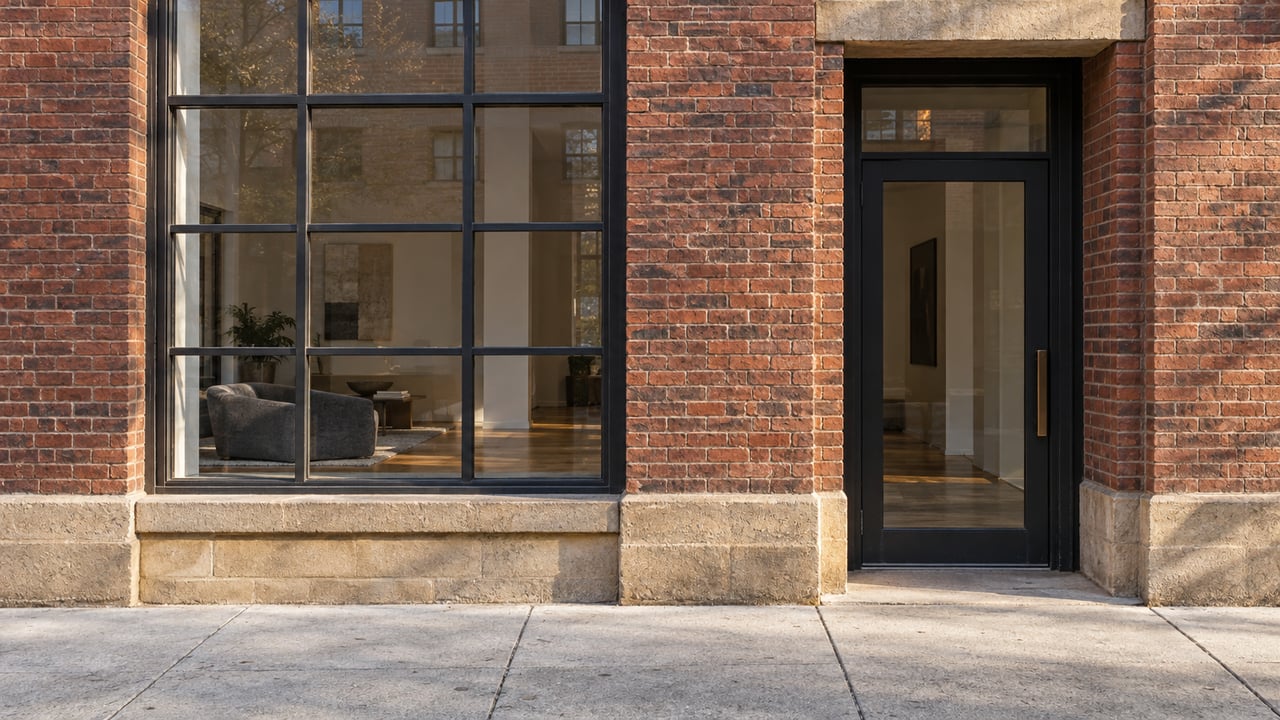
- Lofts: Open layouts, exposed brick and beams, large factory-style windows, and often very high ceilings. Character-rich, sometimes noisier, and amenities vary by building.
- Modern condos: Defined rooms, newer systems, and more consistent comfort. Often include concierge-level amenities and better acoustic design.
- Both: Many LoDo lofts are legally condominiums, so confirm the building’s legal structure and HOA documents for specifics.
Space and ceiling height
Lofts offer open plans with minimal interior walls, dramatic windows, and ceiling heights commonly around 12 to 20 feet or more. Mezzanines are common and can add flexible space. The look feels expansive and creative.
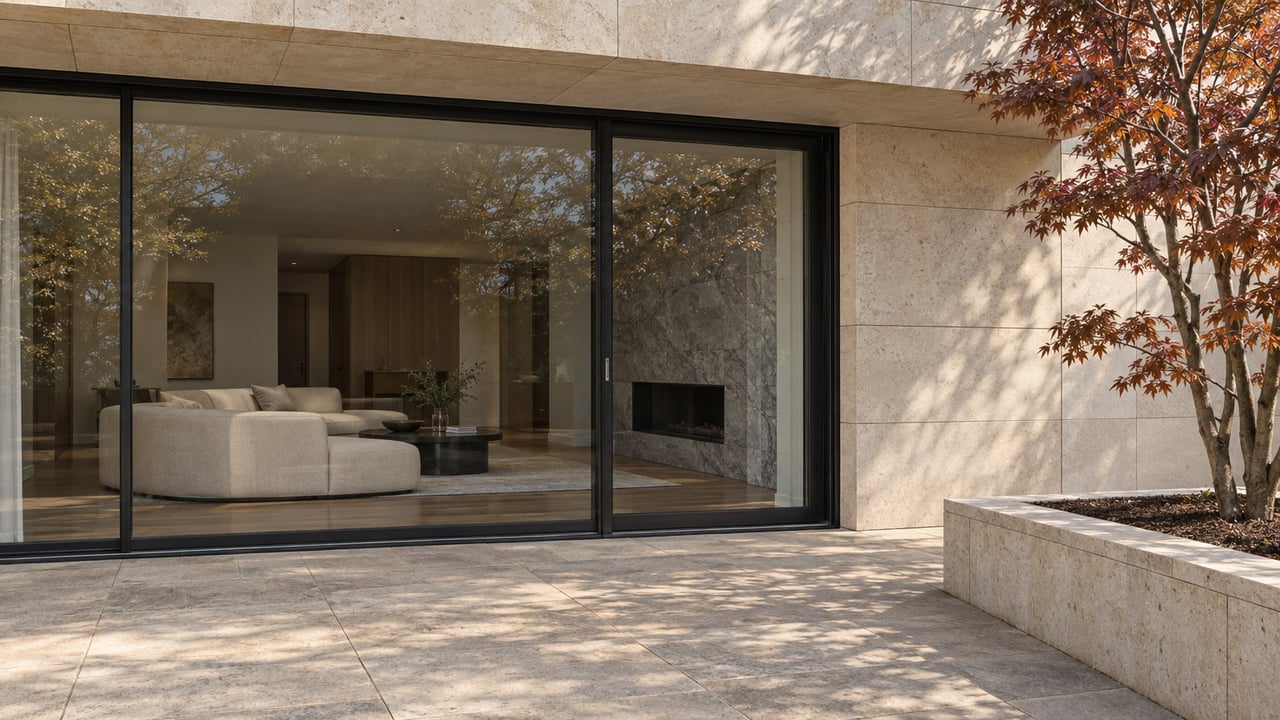
Modern condos usually provide defined bedrooms, hallways, and more traditional layouts. Ceiling heights typically range from about 8 to 10 feet, with some luxury towers offering higher ceilings and larger glass. If you prefer clear separation between rooms, condos tend to fit better.
Sound and privacy
Sound behaves differently across buildings and floor systems. Lofts that started as warehouses may have original wood-joist floors and hard finishes, which can transfer both footfall and airborne noise. Older windows can also let in more street sound.
Modern condo towers commonly use concrete slab construction with acoustic isolation, which generally reduces floor-to-floor noise. If you are sensitive to footsteps or music, ask about floor assemblies, insulation, and current sound complaints during your search.
Comfort, HVAC, and insulation
Lofts often rely on unit-specific heating and cooling, like mini-splits or individual forced air. Insulation levels and window performance can vary based on how the building was converted. Some loft windows may be single pane unless upgraded.
Modern condos tend to have centralized HVAC, better building envelopes, and newer double or triple glazing. You will typically experience more consistent temperature control and quieter mechanical operation in newer construction.
Safety and code basics
Historic conversions usually add sprinklers and retrofit exits to meet modern safety needs. Stair configurations, mezzanines, and egress designs can be unique. Always confirm the building’s fire protection details and any unusual escape routes.
Modern towers are built to current codes with fire-rated assemblies, multiple exits, and updated elevator and suppression systems. Ask for clarity on building safety features in both cases.
HOA dues, reserves, and rules
HOA dues pay for common insurance, maintenance, utilities for shared systems, and reserves. The cost and coverage vary.
- Loft conversions: Often fewer amenities, which can help control dues. Reserves may be smaller, and there can be increased risk of special assessments for roof, facade, or structural work as the building ages.
- Newer towers: Dues are often higher to cover staffing, fitness, pool, lounges, and centralized systems. In return, operations and amenities may feel more like a full-service building.
- Policies: Review rental rules, short-term rental restrictions, and pet policies before you write an offer.
Financing and appraisal tips
Many lofts are legally condominium units, so lenders apply condo project standards. FHA, VA, and some conventional lenders may require project approvals or have extra underwriting steps. Unique loft layouts or mezzanines can complicate appraisals if comparable sales are limited.
Check financing viability early. Ask your lender about the project’s approval status, owner-occupancy thresholds, and whether the building meets their underwriting criteria.
Insurance essentials
Most condo owners carry HO-6 policies to cover interior finishes and personal property. The association carries a master policy for common areas and the exterior, but the exact division of responsibility varies by document.
Confirm whether the master policy is “walls-in” or “bare-walls,” and review who covers windows, plumbing within walls, and any historic features. Older buildings may also influence insurance needs and contractor requirements for certain repairs.
Historic building considerations
Historic properties can require specialized work for facades and exteriors, and exterior changes may be subject to local preservation review. Interior renovations usually see fewer restrictions, but always check building rules.
Older structures can involve legacy materials such as lead paint or asbestos. If you plan to renovate, budget for assessments and qualified abatement where needed.
Amenities and services
Modern condo towers often deliver concierge or doorman services, on-site fitness, pool or spa, rooftop decks, package rooms, lounges, and integrated dog amenities. These features create convenience and a hotel-like experience.
Loft buildings tend to be simpler, with a small gym, rooftop deck, courtyard, or no amenities at all. If you prefer a quiet, less programmed building, a loft may suit your style.
Parking and EV charging
Parking is a premium in LoDo. Street parking is limited, and guest parking can be scarce.
- Verify whether your space is deeded or assigned and whether it is tandem, which can affect convenience and resale.
- Ask about EV infrastructure. Newer buildings are more likely to offer EV-ready stalls. Retrofitting older garages is possible but usually requires HOA approval and capital planning.
Walkability, transit, and nightlife
This area’s walkability is a major draw. Living near Union Station gives you access to commuter rail, light rail, bus service, and Amtrak, with restaurants and hotels at your doorstep. The 16th Street Mall connects you to downtown with a free shuttle, dense dining, and retail.
LoDo is also an entertainment district. Units facing active streets, plazas, or venues can experience late-night noise from restaurants, bars, and events. Modern towers often include upgraded glazing and systems that help reduce street noise, but location and orientation still matter.
Which fits your lifestyle?
Choose a loft if you love architectural character, soaring ceilings, open plans, and the feel of exposed brick and timber. You are comfortable with possible retrofit needs and a modest amenity set.
Choose a modern condo if you prefer predictable systems, defined rooms, quieter acoustic performance, and robust amenities. You value newer mechanicals and lower near-term repair risk.
What to check before you write an offer
- HOA and governance: current budget, latest reserve study, 6 to 12 months of meeting minutes, declaration and rules, master insurance policy, rental policy, pet policy, and any pending litigation.
- Building condition: roof, facade, window and structural work; elevator records; plumbing and electrical upgrades; pest or water intrusion history.
- Parking: deeded versus assigned stalls, tandem arrangements, guest parking rules, EV charging availability or waitlists.
- Unit specifics: permit history for remodels, HVAC age and service records, presence of hazardous materials.
- Financing: FHA, VA, or lender requirements, owner-occupancy rates, and any project-level restrictions.
Smart questions to ask on tours
- Sound: What is the floor construction between units? Are there known noise complaints? Can I tour when neighbors are home to test ambient sound?
- Comfort: What type of heating and cooling serves the unit? Have windows been upgraded to energy-efficient glazing?
- Operations: How is trash and recycling handled? How quickly are maintenance requests addressed? How often are common areas serviced?
- Assessments and reserves: When was the last special assessment and why? How large are reserves relative to building age and scope?
- Historic features: Are there preservation easements or landmark protections that limit changes?
Inspections and expert help
Order a standard home inspection and consider specialists when needed. Structural or roof consultants can review visible settlement or heavy modifications. If you plan to renovate, consider environmental testing for asbestos or lead in older units.
If sound is a big concern, a sound and vibration expert can offer guidance. Ask an attorney experienced in Colorado condominium law to review your contract and HOA documents so you understand your rights and obligations.
Making your Union Station decision
The right choice comes down to how you want to live. If you want authenticity, volume, and texture, a loft delivers drama and character. If you want smooth operations, quiet, and services, a modern condo is more likely to fit.
When you are ready to tour the best options around Union Station and the 16th Street Mall, connect with a local advisor who blends market savvy with design insight. For a tailored plan and a calm, concierge approach from search to closing, reach out to Jan Nelsen.
FAQs
Will a LoDo loft be noisier than a condo?
- Often yes. Original wood floors, hard finishes, and older windows in lofts can carry more sound, while many modern towers use concrete slabs and upgraded glazing that reduce transfer.
Are LoDo lofts harder to finance than condos?
- Not necessarily. Lenders look at the condo project’s approval status and unique layouts, so confirm requirements early and verify the building’s eligibility with your lender.
How do HOA dues and reserves compare in LoDo?
- Lofts may have lower amenity costs but smaller reserves and potential for assessments, while newer towers often have higher dues to fund concierge-level amenities and centralized systems.
How important is parking near Union Station?
- Very. On-site parking is limited and valuable, guest parking is scarce, and tandem stalls are common, so verify whether parking is deeded or assigned and ask about EV charging.
Do historic rules affect interior renovations in LoDo lofts?
- Exterior changes can require preservation review, while interior work is often less restricted. Always check building rules and any recorded preservation easements before planning changes.