Thinking about living near Union Station but not sure if LoDo or Downtown is your fit? You are not alone. These two central Denver districts sit side by side, share the 16th Street Mall and rail connections, and often get mixed together. In a few minutes, you will see how they differ on buildings, HOAs, lifestyle, transit, and what to look for as a buyer. Let’s dive in.
LoDo vs Downtown basics
LoDo, short for Lower Downtown, centers on Union Station and the historic warehouse blocks near the Platte River. Its identity comes from preserved brick buildings and adaptive reuse that turned old warehouses into lofts, restaurants, and shops.
Downtown, often called the Central Business District, stretches east along the 16th Street Mall toward the Civic Center and major government buildings. It is Denver’s classic office core with taller towers and broader retail corridors. The two areas meet and blend. The real differences you will feel are building type, land use, and day-to-night energy.
Building types differ
LoDo housing
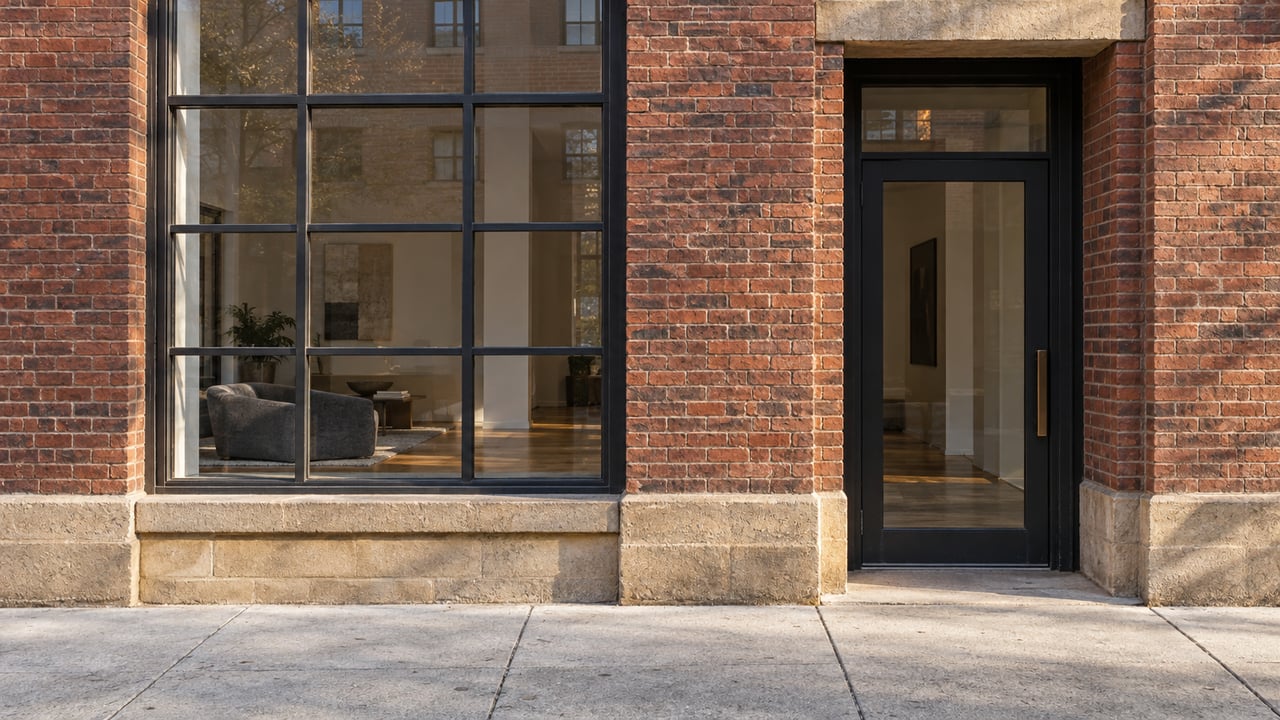
You will find historic loft conversions, low to mid-rise brick buildings, and some newer infill. Many lofts feature exposed brick, timber, high ceilings, and unique floorplans. Mixed-use buildings are common, so ground-floor commercial activity is part of daily life.
Downtown/CBD housing
Expect larger high-rise condominium towers and mixed-use buildings with concierge-style amenities. Floorplans are more conventional compared with historic lofts, and many towers include gyms, pools, and staffed lobbies.
HOA norms to check
LoDo associations are often smaller and older with fewer amenities. Monthly dues can be lower than full-service towers, but reserves vary and owners may face more hands-on maintenance decisions in historic buildings.
Downtown high-rises typically carry higher monthly dues that reflect amenities and centralized systems. Budgets and reserves are often larger and more predictable.
Before you write an offer, verify:
- Monthly assessment and what it covers: heat, water, parking, cable or internet
- Reserve fund size and a current reserve study
- Parking assignment or fees, guest parking, and bike or scooter storage
- Pet policies and any size or breed rules
- Owner-occupancy, rental caps, and short-term rental restrictions
- Historic-district rules for exterior changes in LoDo overseen by Denver’s Landmark Preservation Commission
- HOA meeting minutes, insurance, litigation disclosures, and any planned special assessments
Walkability and vibe
Both areas are highly walkable by Denver standards. Daily conveniences, coffee, dining, and services are within easy reach.
LoDo energy
LoDo clusters independent restaurants, cocktail bars, and nightlife, with Larimer Square and the Union Station plaza as gathering spots. Proximity to Coors Field adds game-day buzz that can affect noise and parking.
Downtown energy
Downtown’s 16th Street Mall is a major pedestrian spine with frequent shuttle service and a mix of retail and dining. Daytime activity ties to offices and convention traffic, while evenings vary by block and event calendar.
Transit and commute
Union Station anchors regional mobility with commuter rail, light rail, and bus connections, including direct service to Denver International Airport on the A Line per current RTD schedules. If you travel often or commute to suburbs served by rail, LoDo puts you closest to the hub.
Downtown excels for office commuters within the CBD and for frequent users of the Free MallRide on 16th Street. Multiple RTD light-rail stops and bus lines serve the district edges, and protected bike lanes continue to expand in central corridors. Always confirm real-time schedules for your specific commute.
Side-by-side snapshot
| Topic | LoDo | Downtown/CBD |
|---|---|---|
| Typical housing | Historic loft conversions, low to mid-rise brick, unique floorplans | High-rise condos, mixed-use towers, full-service amenities |
| HOA and monthly costs | Often smaller associations with fewer amenities and varied reserves | Higher dues tied to concierge, pools, gyms, and larger budgets |
| Nightlife and dining | Dense cluster of independent spots; lively evenings and game days | Major retail spine on 16th Street; more daytime office energy |
| Transit and commute | Next to Union Station for regional rail and airport access | Ideal for CBD office walks and the Free MallRide shuttle |
Market patterns
LoDo’s limited historic loft supply and proximity to Union Station and Coors Field can support higher prices per square foot for standout units, especially with views or strong design. Downtown’s newer towers expand choices across sizes and amenities, which can increase inventory and shape pricing during new-build cycles. For current medians, days on market, and unit counts, rely on up-to-date MLS or local market reports at the time you shop.
Buyer trade-offs
LoDo advantages
- Historic character with exposed brick and open loft layouts
- Steps to Union Station and the Platte River trail network
- Dense, lively restaurant and nightlife scene
- Iconic urban Denver experience
LoDo cautions
- Smaller HOAs with varying reserve health
- Event and game-day noise or parking pressure near Coors Field
- Historic rules for exterior changes may add time and cost
- Parking can be limited or separately deeded
Downtown advantages
- Full-service high-rise amenities and staffed lobbies
- Larger associations and often more predictable budgets
- Easy CBD office access and strong transit options
- Conventional floorplans for buyers who want turn-key towers
Downtown cautions
- Higher monthly dues due to amenity packages
- More office-driven daytime feel with variable evening activity
- Sensitivity to office market cycles and short-term rental rules
Next steps checklist
- Visit both areas at different times: weekday morning, weekday evening, and weekend night
- Review HOA budgets, reserve studies, meeting minutes, insurance, and pending assessments early
- Confirm parking type and fees, storage, and bike or scooter policies
- For LoDo, check historic-district guidelines before planning exterior changes
- Time your commute using current RTD schedules and apps
- Analyze price per square foot against true peers: historic loft vs high-rise tower
- If noise matters, ask about window type, soundproofing, and building event protocols
Which fits you?
Choose LoDo if you value character-rich lofts, a historic streetscape, and being at the center of evening energy around Union Station. Choose Downtown if you prefer full-service high-rises, amenity-rich living, and short walks to CBD offices and the 16th Street Mall. Either way, your best decision will come from on-the-ground visits, a careful HOA review, and current market data.
If you want a calm, design-savvy guide through both micro-markets, reach out to Jan Nelsen. You will get boutique representation, clear analysis, and an advocate who knows how to navigate loft conversions, towers, and everything in between.
FAQs
What is considered LoDo vs Downtown Denver?
- LoDo anchors around Union Station and the historic warehouse blocks near the Platte River, while Downtown spans the office core along the 16th Street Mall toward the Civic Center.
How do LoDo and Downtown condo buildings differ?
- LoDo leans historic loft conversions with unique layouts, while Downtown features larger high-rise towers with concierge-style amenities and more conventional floorplans.
Do HOAs cost more in Downtown than LoDo?
- Downtown towers often have higher monthly dues that reflect amenities and large-building systems, while many LoDo loft associations are smaller with fewer amenities and varied reserves.
Does LoDo’s historic status affect renovations?
- Yes, exterior changes in LoDo’s historic buildings typically require review by Denver’s Landmark Preservation Commission, which can add time and cost to projects.
Which area is better for airport access?
- LoDo places you next to Union Station, where the A Line provides direct service to Denver International Airport, subject to current RTD schedules.
Is parking easier to find in one area?
- Parking varies by building in both areas; LoDo may offer fewer spaces or separately deeded parking, while Downtown towers often bundle parking but with monthly fees reflected in dues.