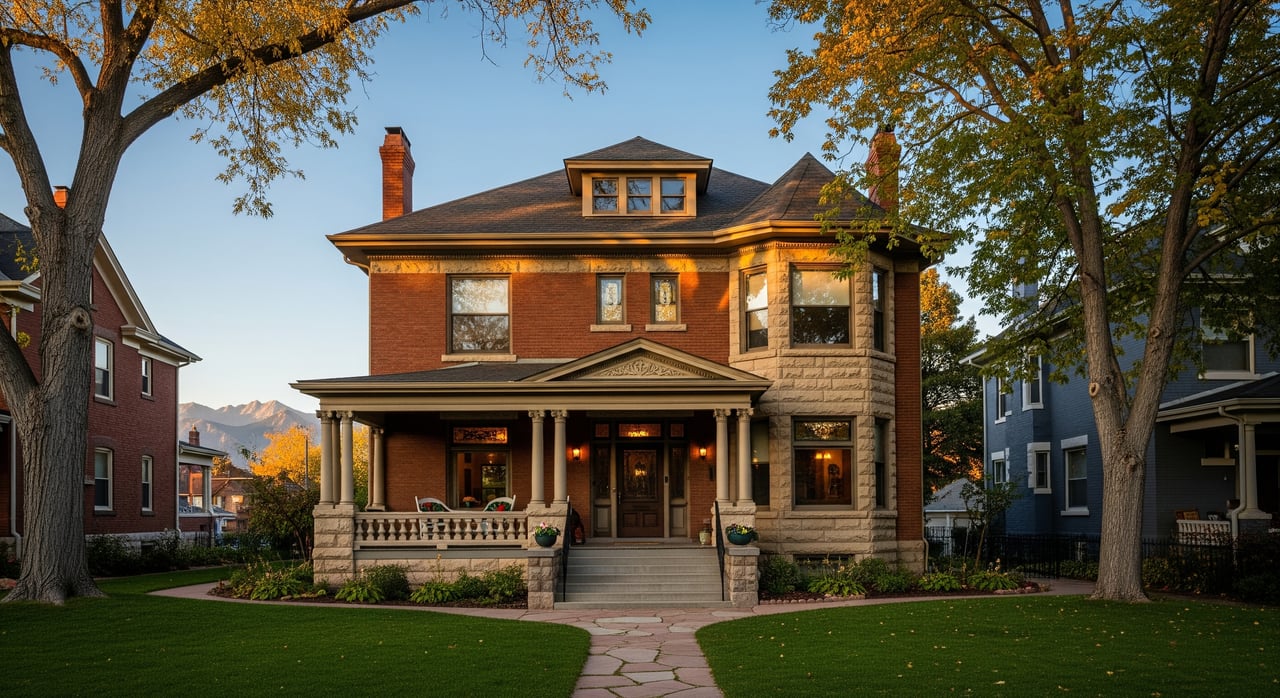
Scrolling Congress Park listings and wondering what those porch columns, steep gables, or red tile roofs mean for everyday living and maintenance? You are not alone. When you understand the neighborhood’s signature historic styles, you can read listing photos quickly, set smart expectations for floor plans and systems, and plan updates with confidence. This guide breaks down the four styles you will see most often in Congress Park, plus a practical photo-spotting checklist, inspection tips, and renovation notes. Let’s dive in.
Congress Park at a glance
Congress Park sits in central-east Denver near City Park and includes several intact early 20th-century residential blocks. Most homes were built between 1900 and 1940, so you will find Denver Squares, Craftsman bungalows, Tudor Revival, and Mediterranean or Spanish Revival influences. The area is predominantly single-family, with some multi-unit conversions and later infill.
Congress Park contains many historic houses, but the neighborhood as a whole is not a single federally designated historic district. Some properties are individually landmarked or located in smaller local districts. If you plan exterior changes, verify whether a property is designated and ask for permit history. Designated properties typically require review for exterior alterations, while others follow standard building-permit processes.
Denver Square: the classic two-story
Spot these cues
- Boxy, nearly square two-story form with a low or moderate hipped roof
- Central dormer in many examples
- Full-width or wide front porch with square or tapered columns
- Symmetrical, simple façade with subtle classical details
- Simple visual: [Roof: hipped with dormer] [Boxy 2-story mass] [Full-width front porch]
Inside and layout
- Two full stories often organized four rooms per floor or around a central hall
- Living, dining, kitchen, and a study on the main level; bedrooms upstairs
- Comfortable ceiling heights for the era; original wood floors are common under later coverings
Materials and typical updates
- Brick, wood clapboard, or stucco exteriors with brick piers or simple wood columns
- Interior plaster over lath, original wood trim, and occasional built-ins
- Common updates: kitchen and bath remodels, window replacements, or porch enclosures
- Watch for: limited wall insulation, older heating systems or partial HVAC retrofits, and porch rot or settling where original wood remains
Craftsman Bungalow: porch-centered charm
Spot these cues
- One to one-and-a-half stories with a low-pitched front or side gable and wide eaves
- Exposed rafters or decorative brackets under the eaves
- Large front porch with tapered square columns on brick or stone piers
- Grouped windows with a multi-pane upper sash over a single lower sash
- Simple visual: [Low gable roof + wide eaves] [Porch with tapered columns on piers] [Exposed rafters/brackets]
Inside and layout
- More open main rooms than earlier Victorian plans
- Living room often connects directly to the dining room, minimizing hallways
- Built-in cabinets, window seats, natural wood trim, and original plaster are common
Materials and typical updates
- Wood clapboard or shingles, often with brick or stone porch elements
- Interior hardwood floors and built-in woodwork
- Common updates: electrical upgrades where early knob-and-tube wiring remains, kitchen and bath remodels
- Watch for: inappropriate window replacements that alter the look and may affect performance, and rafter tails or roof overhangs that can rot without good maintenance
Tudor Revival: storybook character
Spot these cues
- Steeply pitched, often asymmetrical front gables
- Decorative half-timbering, tall narrow windows, and prominent chimneys with decorative pots
- Arched doorways and small or recessed porches
- Simple visual: [Steep gable + half-timbering] [Tall chimney + narrow windows]
Inside and layout
- Irregular plans with smaller rooms and cozy nooks
- Varied ceiling heights and leaded or multi-pane windows in some homes
- Built-in cabinetry may be present
Materials and typical updates
- Stucco or brick with half-timber detailing, plus decorative brick or stone at entries and chimneys
- Common updates: chimney repairs, mortar work, and flue lining; selective window restoration or replacement
- Watch for: stucco cracking or moisture intrusion around trim and half-timbering
Mediterranean or Spanish Revival: sun-splashed stucco
Spot these cues
- Low-pitched roof, often with red clay tile when original
- Stucco walls with arched entries or recessed porches
- Decorative tile accents
- Simple visual: [Low-pitched roof + stucco walls] [Arched entry]
Inside and layout
- Asymmetrical floor plans with distinctive entry sequences
- Smaller, intimate rooms create a warm, layered feel
Materials and typical updates
- Stucco over masonry or wood frame; original clay tile roofs may remain
- Common updates: roof framing checks and roof replacement history due to the weight of clay tile
- Watch for: stucco cracking and moisture penetration where flashing is missing or rooflines have been altered
Read listing photos like a pro
Use this quick checklist to decode styles and condition before you tour:
- Roof form: hipped with a center dormer suggests a Denver Square; low gable with exposed rafters suggests a Craftsman bungalow; steep front gable with half-timbering suggests Tudor; low tile roof with stucco suggests Mediterranean.
- Porch: full-width with square columns points to a Denver Square; tapered columns on stone or brick piers points to a bungalow.
- Windows: grouped double-hung with divided upper sash suggests Craftsman; tall, narrow casements or leaded panes suggests Tudor.
- Exterior texture: brick or stone foundations and piers indicate period solidity; stucco often aligns with Tudor or Mediterranean styles.
- Details: half-timbering, arched doorways, ornamental chimneys, and decorative tile are strong stylistic markers.
What to verify in inspections
Historic charm works best when the systems and structure are sound. Ask your inspector and the seller for clarity on the following:
- Structure and foundation: look for settlement or major cracks; many homes have original basements or shallow foundations. Request records of any foundation work.
- Roof and flashing: identify original materials that may have been replaced and confirm roof age. Scan for sagging or mismatched rooflines in photos.
- Exterior woodwork and porches: check for rot, paint failure, or enclosed porches that may have been modified without permits.
- Windows and energy: original wood windows are character-defining. Note if they were replaced and whether storms are present.
- Electrical and plumbing: older systems may have piecemeal upgrades. Ask about knob-and-tube wiring, ungrounded outlets, and cast-iron sewer lines.
- Hazardous materials: homes built before 1978 may have lead-based paint, and some older materials can include asbestos. Plan for appropriate testing and containment if you renovate.
- Insulation and HVAC: many early 1900s homes were built with little wall insulation. Confirm the presence and age of retrofitted systems.
- Moisture: look for signs of water in basements or crawlspaces and check stucco for cracks or failed flashings around windows and chimneys.
Smart updates and preservation
Balancing updates with original character protects both comfort and value:
- Kitchens and baths: modernize for function, but keep or document original built-ins and wood trim when possible.
- Systems and energy: plan for HVAC replacements, upgraded electrical panels, and attic insulation. Wall insulation can be added selectively in coordination with preservation goals.
- Windows: restoring historic wood windows and adding storm panels often outperforms wholesale replacement for durability and aesthetics. Replace only when restoration is not feasible.
- Porches: prioritize original columns and railings; porch foundations often need attention.
- Roofing: when clay tile is present, confirm structural capacity. Matching original materials helps maintain curb appeal and may be required on designated properties.
- Permits and incentives: exterior changes to designated properties typically need design review, and all major work requires permits. Tax credits usually apply to income-producing certified rehabilitations. Local programs may exist, so verify current guidelines before you begin.
- Contractor selection: hire professionals experienced with older Denver houses, including masonry, plaster, wood windows, and stucco. Ask for examples of past historic rehab work.
Red flags and smart questions
Before you fall in love, scan for red flags and get answers early:
- Red flags to investigate: significant slope or water at the foundation line, patched or mismatched roof materials, enclosed porches with different exterior finishes, sagging eaves, uneven floors, or misaligned doors and windows.
- Ask sellers and agents:
- What year was the home built and are original plans available?
- Has there been foundation, structural, or major roof work? Are records available?
- Has the electrical system been fully updated? Any knob-and-tube wiring?
- Are there local historic designations or landmark restrictions affecting future exterior work?
- Any known water intrusion, mold, or heating and cooling issues?
Partner with a design-savvy local advisor
Buying a historic home in Congress Park is equal parts architecture, systems, and strategy. You deserve a guide who can read the photos, spot period details, and plan updates that respect the house’s character while elevating comfort and value. With decades in central Denver and a design-forward approach, Jan helps you evaluate layouts, materials, and renovation scope so you can move with confidence. Ready to tour with a discerning eye and a smart plan? Connect with Jan Nelsen.
FAQs
What historic styles are most common in Congress Park?
- You will most often see Denver Squares, Craftsman bungalows, Tudor Revival, and a smaller number of Mediterranean or Spanish Revival homes dating from roughly 1900 to 1940.
How do I tell a Denver Square from a bungalow in photos?
- A Denver Square is a boxy two-story with a hipped roof and wide porch, while a bungalow is one to one-and-a-half stories with a low gable, wide eaves, exposed rafters, and tapered columns on piers.
Are Congress Park homes under historic rules?
- The neighborhood has many historic homes but is not one large federal historic district; some properties are locally designated, so verify a property’s status and permit history before exterior changes.
What issues should I expect in early 1900s homes?
- Plan for upgrades to electrical, plumbing, insulation, and HVAC, plus attention to roofs, porches, windows, and potential lead-based paint or asbestos in older materials.
Are original windows a dealbreaker for efficiency?
- Not necessarily; restoring historic wood windows and adding storms often provides strong performance while keeping character, with full replacement reserved for severe deterioration.
Do clay tile roofs add complexity?
- Yes; clay tile is durable but heavy, so confirm roof framing capacity and replacement history, and budget accordingly for specialized roofing work.