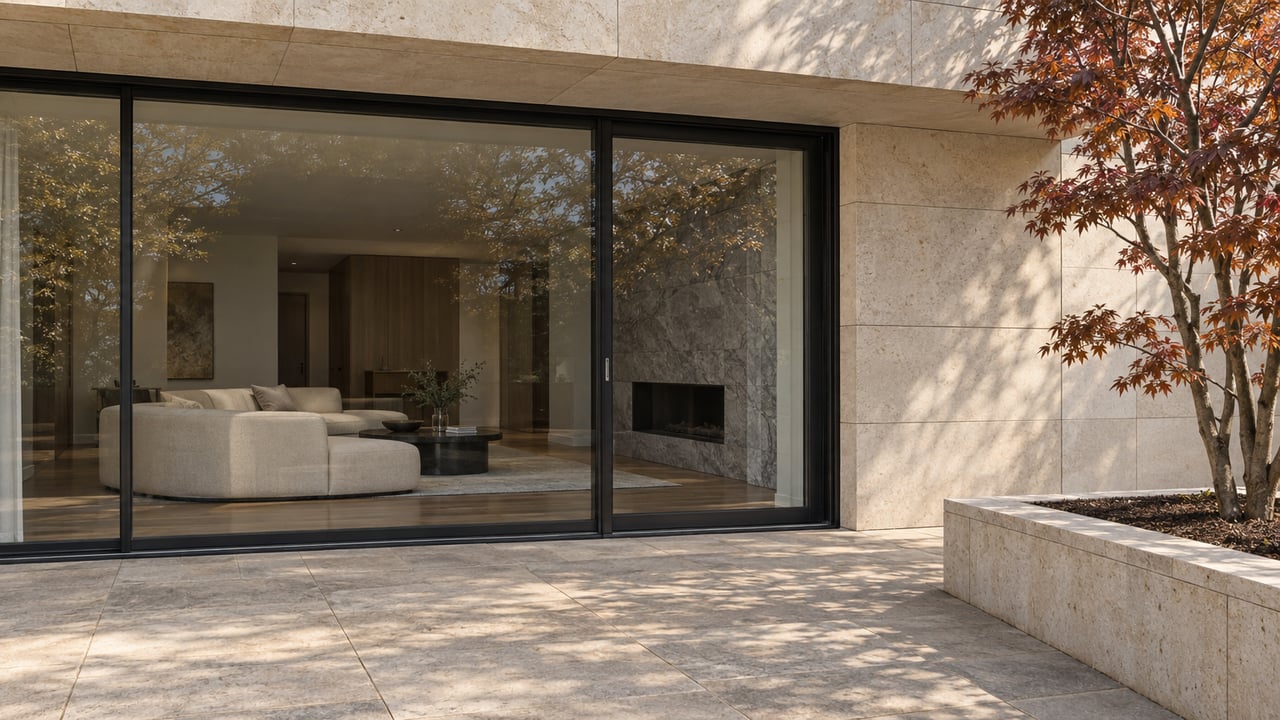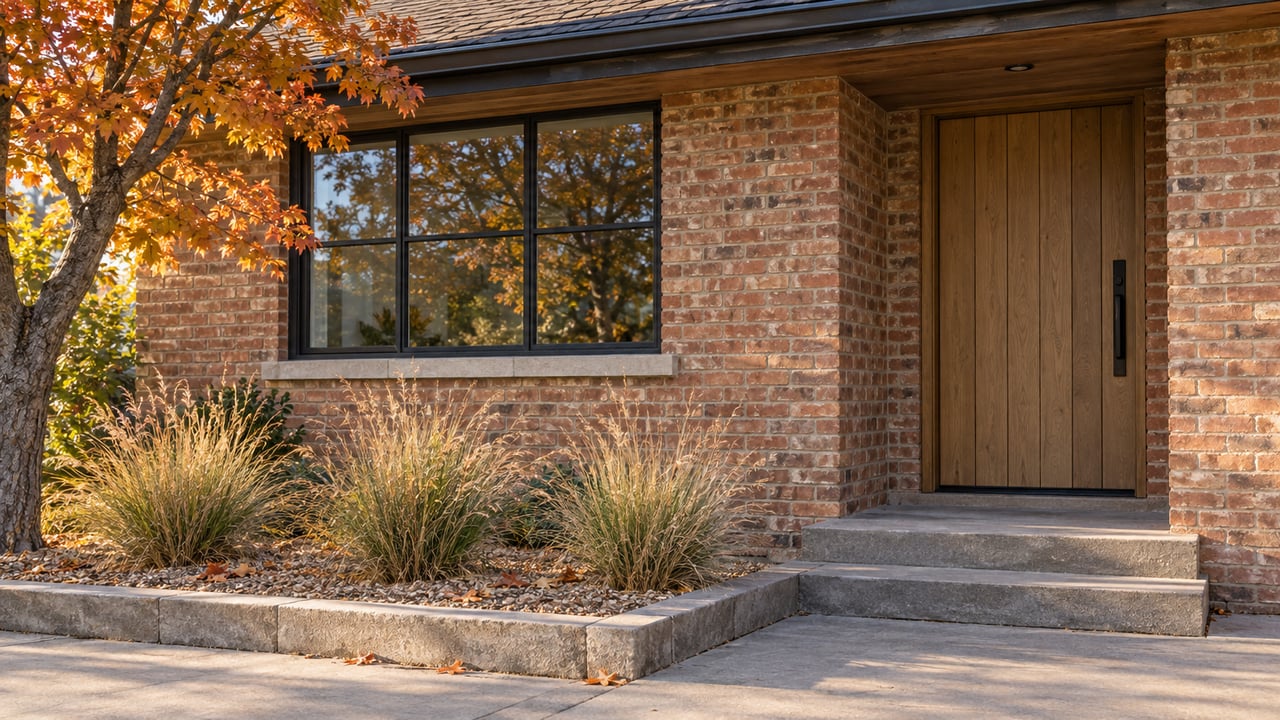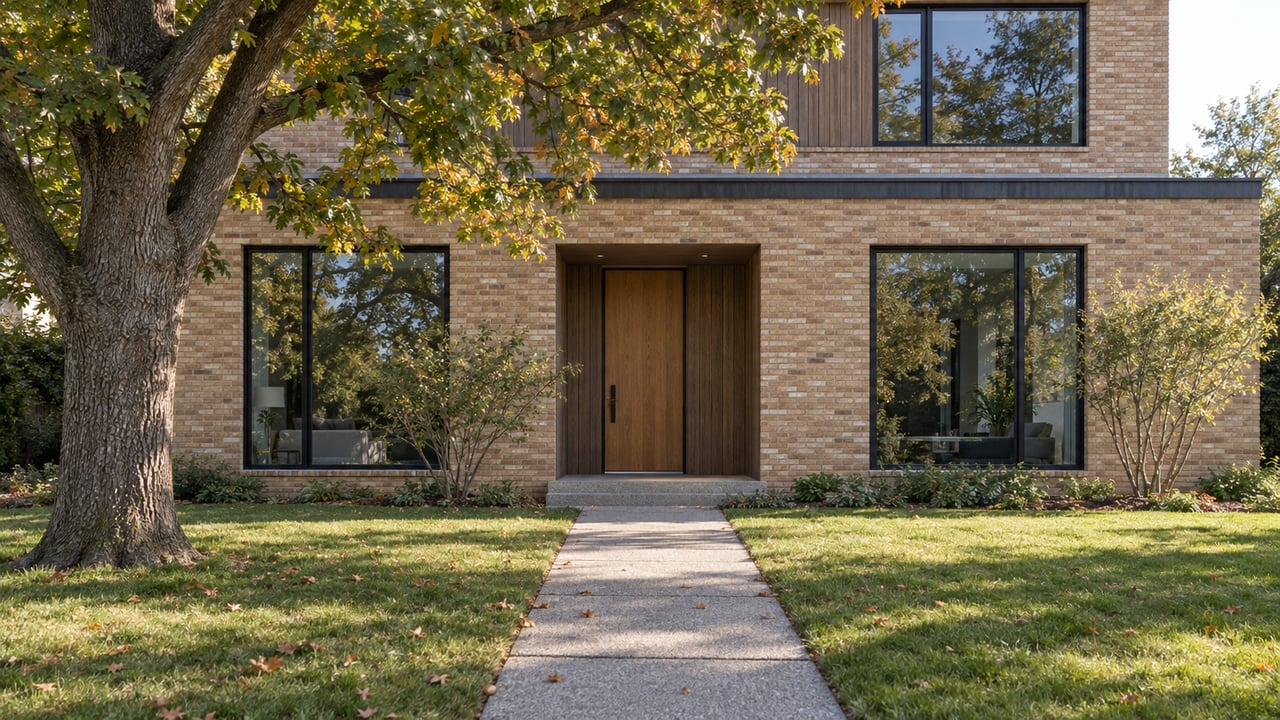
BusinessDen reported that Andrew Sumners grew up two houses down from a yellow house on Seventh Avenue. Nine years ago, he bought it. In March 2026, he listed the house he built in its place for $5.4 million.
That nine-year span from purchase to listing offers one case study in Denver's 7th Avenue Historic District and a reason to look closely at the design-review process new construction involves.
The Envelope That Wasn't Budging
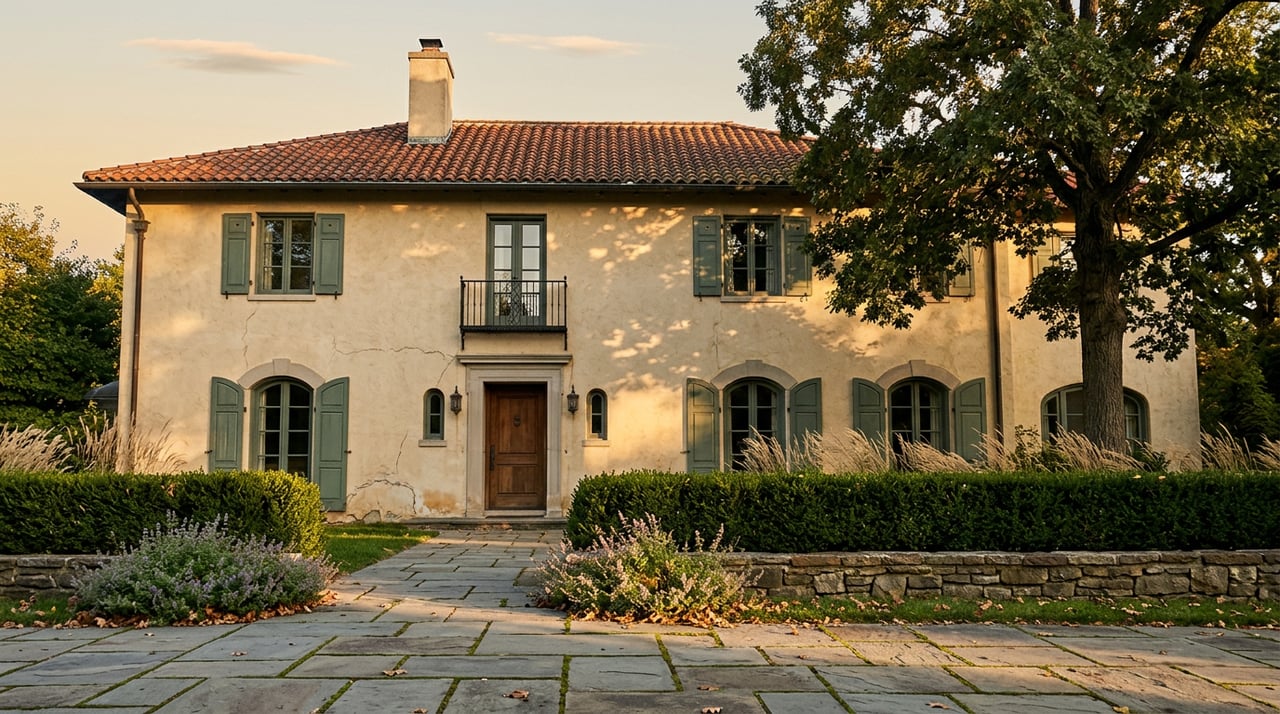
Sumners paid $900,000 for the 1953 house at 1650 E. Seventh Ave. and designed a 7,400-square-foot Mediterranean-style villa to replace it, working with fellow Denver architect Aaron Hodgin. But building inside the East 7th Avenue Historic District means design review is part of the project.
Once the commission signs off on the exterior, that's the design. No revisions once concrete is poured.
As BusinessDen reported, Sumners said, "When you design this way, you design from the outside in," and, "Usually, the outside grows as the inside resolves itself, but I had to fit everything within an envelope that wasn't budging."
Those remarks capture the economics of the district in miniature. In most Denver neighborhoods, a builder can adjust a floor plan mid-project if the market shifts or a buyer wants something different. On the parkway, the exterior is locked before framing starts, and the interior has to bend to fit it.
Why So Few Buyers Try This
Denver's general permitting guidance describes landmark review as adding roughly 30 to 60 days to a typical residential project timeline, on top of the standard 10 to 15 business days for a residential permit. That estimate covers routine work: an addition, a garage, a window swap. A full teardown and rebuild inside a historic district is a different animal entirely, but Sumners' nine-year purchase-to-listing span does not establish how long review or construction took.
Most owners in the district don't take on that kind of project, and it isn't hard to see why. A buyer weighing a raw teardown lot on Seventh Avenue against a similar lot somewhere without design review is comparing two very different holding periods. One clears permitting in weeks. The other might clear it in years, with an architect experienced enough to design outside-in and a construction budget that has to absorb the carrying costs of that timeline.
That's the filter. It isn't that the district discourages new construction on paper. It's that the process selects for a very specific kind of buyer, someone who already owns the lot, has the patience for a multi-year approval process, and is building for a market that will eventually pay a premium for a rare, brand-new house inside protected boundaries.
What That Scarcity Does to Price
The 7th Avenue district sits inside a broader Congress Park market that's been sending mixed signals depending on which slice of data you look at. As of June 2026, neighborhood-wide homes were going to pending in around ten days, a pace that signals real competition for anything that shows well and is priced correctly. But look at days-on-market figures from August 2026, and the median climbs closer to 80 days, a split that only makes sense if you separate turnkey listings from everything else.
That's consistent with what the design review process would predict. A renovated historic home, one where a previous owner already absorbed the cost and time of getting exterior work approved, moves fast. A home that still needs work, especially work visible from the street, sits longer, because any buyer taking it on has to price in the same commission process Sumners went through, just at a smaller scale.
The Denver Gazette reported in May 2026 on the longer arc: bungalows that sold for around $600,000 a few years back were worth close to $1 million by 2023, a jump that outpaced ordinary appreciation. Over the trailing twelve months, sale prices in Congress Park have been running in the mid-to-high $800,000s, while list prices in August 2026 sat closer to the high $700,000s, a gap that reflects a market still working out where sellers and buyers agree on value after a fast run-up.
None of that price growth requires new supply to explain it. If anything, the opposite. A district where new construction is this hard to execute has a fixed number of buildable lots and a growing number of buyers who want in, and the arithmetic of that mismatch shows up in what existing homes, especially already-renovated ones, are worth.
What This Means If You're Comparing Your Options
If you're deciding between a move-in-ready historic home, a fixer with cosmetic potential, and a genuine teardown lot in the 7th Avenue district, the commission's review process should shape that decision more than the listing price does.
A few things worth checking before you write an offer:
Ask about prior exterior work.
Budget time, not just money, for anything touching the exterior. Even a modest addition or a window change can add weeks to months to a project timeline once landmark review is factored in.
Treat a raw teardown lot as a specialty purchase, not a shortcut. It can work, as the house on Seventh Avenue proves, but it works for a buyer who has the patience, the architect relationships, and the holding costs to survive commission review.
The 7th Avenue Historic District earned its National Register listing because it preserves something rare: a two-block-wide stretch of Denver Square, Tudor Revival, and Mediterranean Revival homes shaded by elms planted along a parkway designed with Frederick Law Olmsted's involvement, in a neighborhood where the Doud family's house once hosted Dwight and Mamie Eisenhower's Denver summers. That history is precisely why the commission reviews changes as carefully as it does, and why the district's real estate math looks different from a neighborhood without that layer of oversight.
A Few Straight Answers
Does every home in Congress Park fall inside the 7th Avenue Historic District? No. The Denver Public Library's neighborhood history guide describes the district as running roughly from Logan Street to Colorado Boulevard between East 6th and East 8th Avenues, narrowing to just the parkway-facing homes between Steele and Harrison. Congress Park extends well beyond those boundaries.
How long should I actually plan for if I want to add onto a historic home here? Denver's own guidance points to roughly 30 to 60 additional days for landmark review on a typical project, but that assumes a straightforward addition. Anything more ambitious deserves a conversation with an architect who has been through the district's process before you commit to a timeline.
If you're weighing a historic purchase against new construction anywhere in central Denver, the conversation is easier with someone who has watched these projects unfold in real time, not just read about them. Jan Nelsen has spent decades in Denver's design-forward neighborhoods and can walk you through what a specific property's history, and its path through the city's review process, actually means for your timeline and your budget. Get Your Home Value and let's talk about what's possible on your block.
This article is general information, not legal, tax or financial advice. Consult a qualified professional about your situation.