Country Club is one of the few Denver neighborhoods where the boundary between "changing" and "fixed" is drawn on a map. The residential interior sits inside a Historic Landmark District designated in 1990, roughly bounded by Downing, University, 1st, and the north edge that runs along 4th and 6th. Retail lives on the edges. Homes live in the middle. That has been the deal for a century.
This summer, both of the edge's most identifiable buildings are turning over at once, and the interior is doing what it was designed to do: nothing.
1313 East Sixth: Madeline Replaces Eighteen Years of Fruition
The block between Marion and Lafayette on 6th has been a chef-driven address since 2007, when Alex Seidel opened Fruition. It closed in 2025 after eighteen years. Madeline filled that space at 1313 East Sixth Avenue, with a first service on May 7, 2026, just over a year after Fruition closed.
Madeline is chef Quincy Cherrett's first brick-and-mortar. His résumé reads like a map of the last decade of Denver's better kitchens: Sushi Den, Izakaya Den, Colt & Gray, and Cherrett's own 22 Provisions food truck. He is a Culinary Institute of America graduate who held leadership roles at Colt & Gray, Death & Co. and Izakaya Den. The general manager is Bryan Trott, who came from Brasserie Brixton, Alma Fonda Fina, and Cimera.
The menu is not a Fruition reboot. Madeline keeps the cozy neighborhood charm of its predecessor while adding hints of Thai flavor borrowed from Cherrett's early days at Teton Thai in Wyoming, with a tom yum-inspired shrimp toast on milk bread, pan-seared halibut served with green curry and black forbidden rice cooked almost like risotto, and a roasted half chicken with laab dressing. The wine cellar is not new either. The wine program builds on the cellar inherited from Fruition, complemented by contemporary additions that bridge the past and a new chapter for the space.
The design work stayed close to home too. Kevin Nguyen of REGULAR Architecture led the interior with construction by NOVUM Contracting Group, with an emphasis on natural materials, subtle nods to the family's hospitality background including an art installation near the bathrooms inspired by classic hotel keys, and custom murals by artist Lena Dechamps drawing on the organic shapes of the garlic scape logo. Hours are Tuesday through Thursday 5 to 9, Friday and Saturday 5 to 10.
For a resident, the practical shift is small and precise: the reservation you used to make three weeks out is now made three weeks out for a different chef, in the same cottage, with a wine list that partially predates the change.
One Block West: The Esquire Corner Enters Its Next Life
Walk five minutes west from Madeline and you reach the other anchor. Landmark Theatres closed the Esquire at 590 Downing Street by July 2024, ending a run that had drawn crowds to the area since 1927. The 97-year-old movie theater closed to the public on July 17, and the Denver Landmark Preservation Commission approved the owners' plan to redevelop the building at the corner of 6th Avenue and Downing Street into office, restaurant and retail space.
The building is not going away. The Esquire Theatre building will not be demolished; the owners plan to re-purpose it with upscale office, restaurant, and retail space. Two design details tell you how much of the corner will still read as the Esquire when it reopens:
A tree canopy and landscape island planters for pedestrian safety will be built along 6th and Downing along with new eight-foot sidewalks. The Esquire signs are to be refurbished and prominently featured in the new designs.
There is a small piece of new-address evidence that the redevelopment is now real, not theoretical. The building sits on a corner lot with two street addresses: 590 Downing Street, used throughout the theatre's operating history, and 1212 East 6th Avenue, the Sixth Avenue frontage used in the property's 2026 commercial lease listing. The switch from a Downing address to a 6th Avenue address is a leasing decision. It reorients the building from a Capitol Hill cinema toward the Country Club edge it has always physically touched, and it tells you which of the two streets the future tenants will front.
Two other pieces of context are worth holding. Denver-based Neo Studio is working on the project's green design and construction, and the redeveloped building aims to engage the corner of 6th and Downing so that the boxy, monolithic structure can transition into a walkable amenity for surrounding neighborhoods. And the redevelopment uses the City of Denver's Adaptive Reuse program, which adapts existing buildings for new uses while preserving their historic features.
Put Madeline and the Esquire together and the 6th Avenue edge has, inside a single summer, replaced its most storied restaurant address and started construction on its most recognizable corner. Both are edge moves. Neither crosses 4th.
What the 1990 Designation Actually Holds in Place
The reason nothing is moving south of 4th is not accident. It is written down.
Country Club Historic Neighborhood was developed in the early 1900s in conjunction with the Denver Country Club and was designated a Historic Landmark District in 1990, roughly bounded by Downing on the west, University on the east, 1st Avenue to the south, and both 4th and 6th Avenues to the north, with a neighborhood association created in 1973 that attracts around 300 of the total 375 homeowners each year. Three hundred seventy-five is a small number for a neighborhood this well known. It is roughly the enrollment of a mid-sized elementary school.
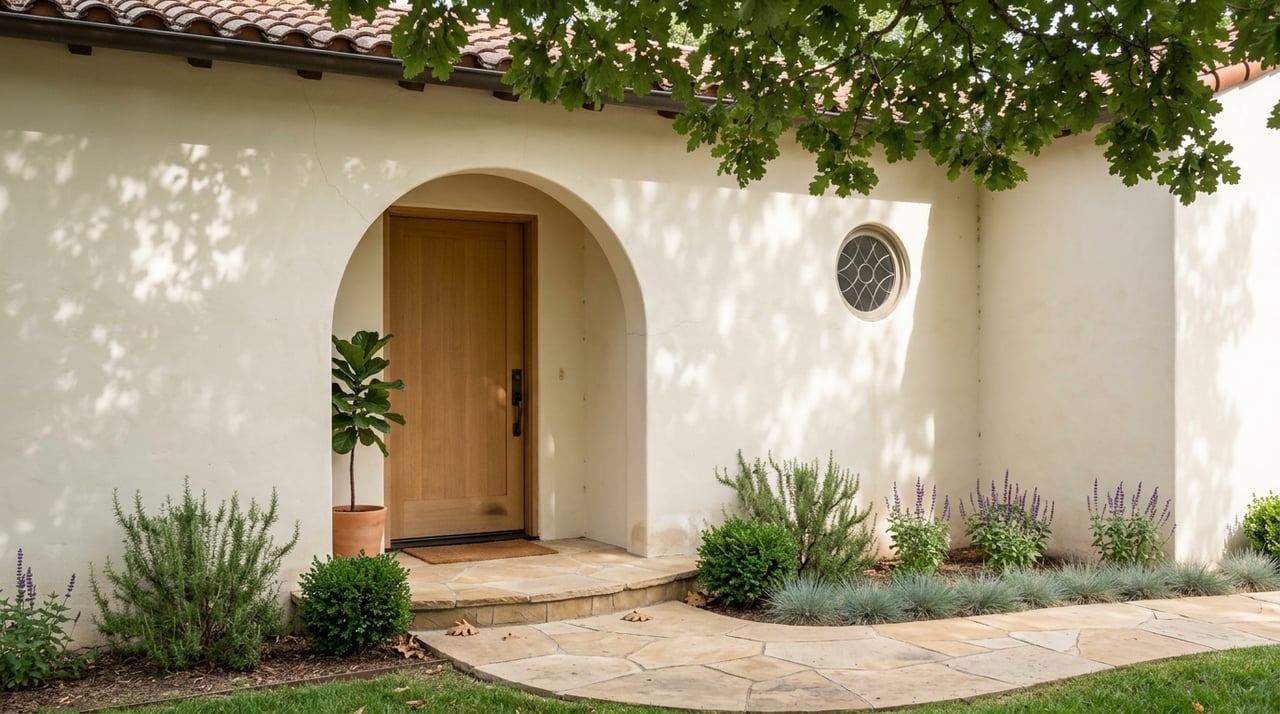
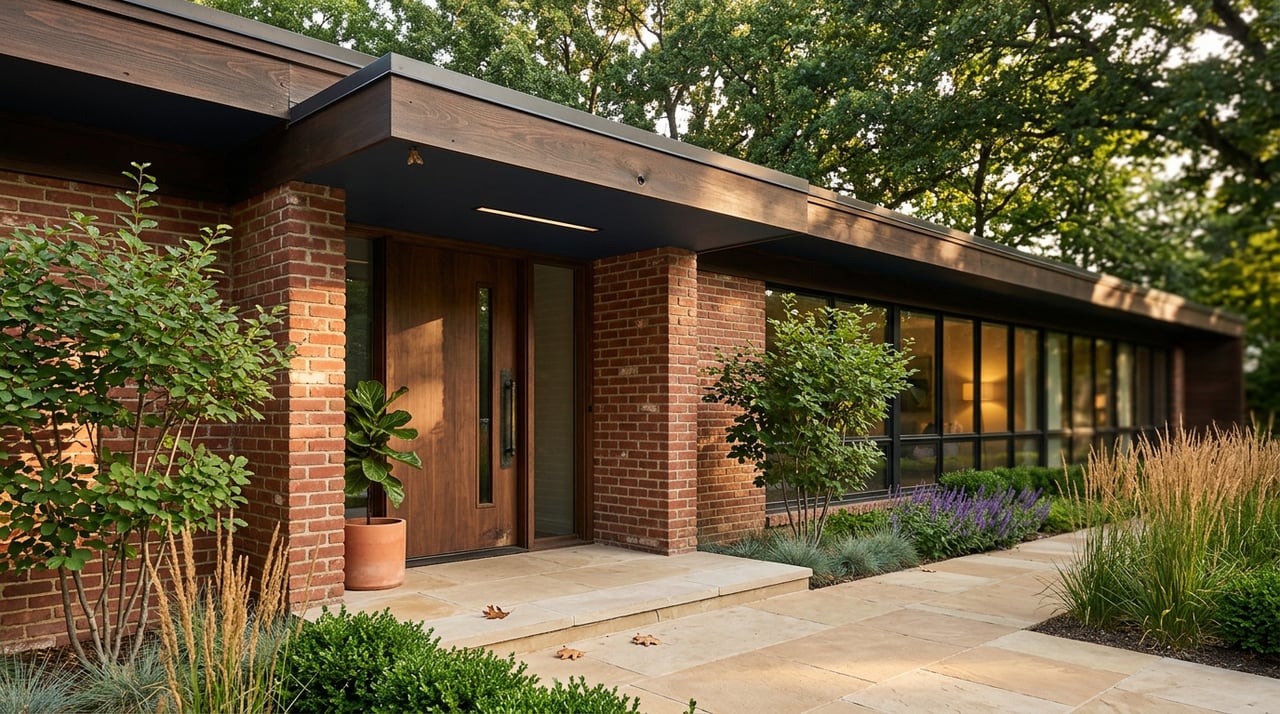
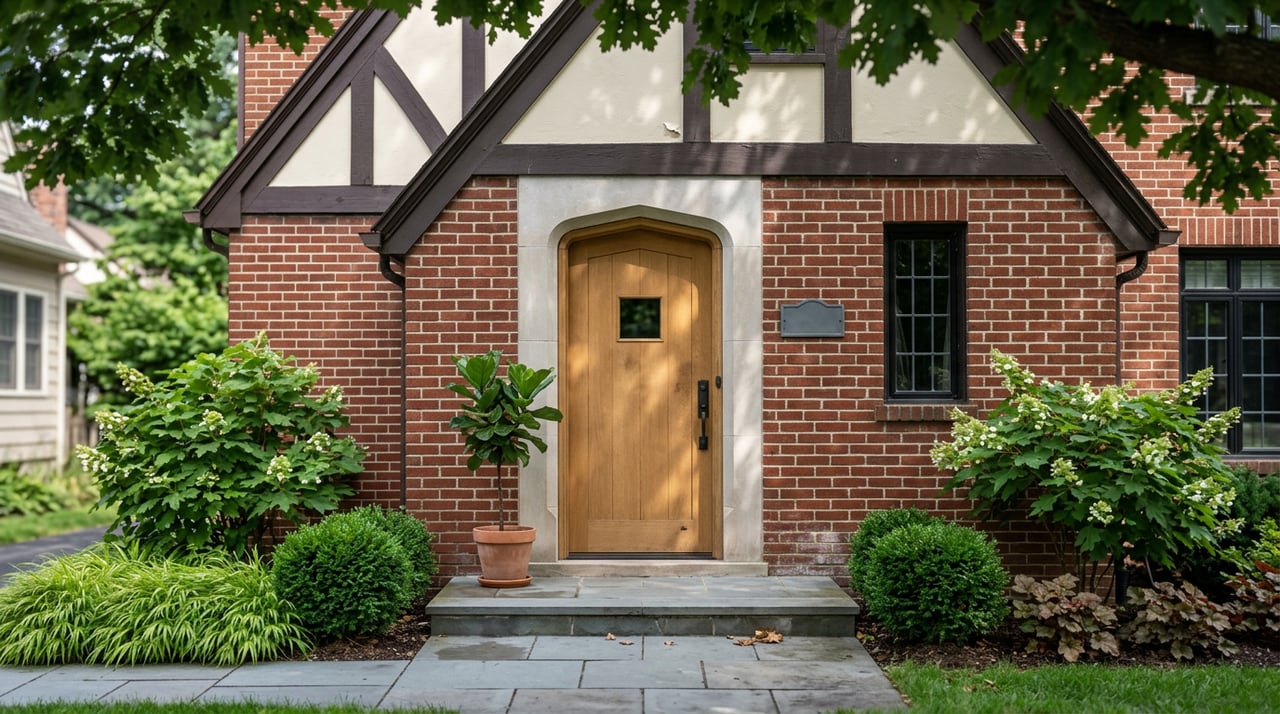
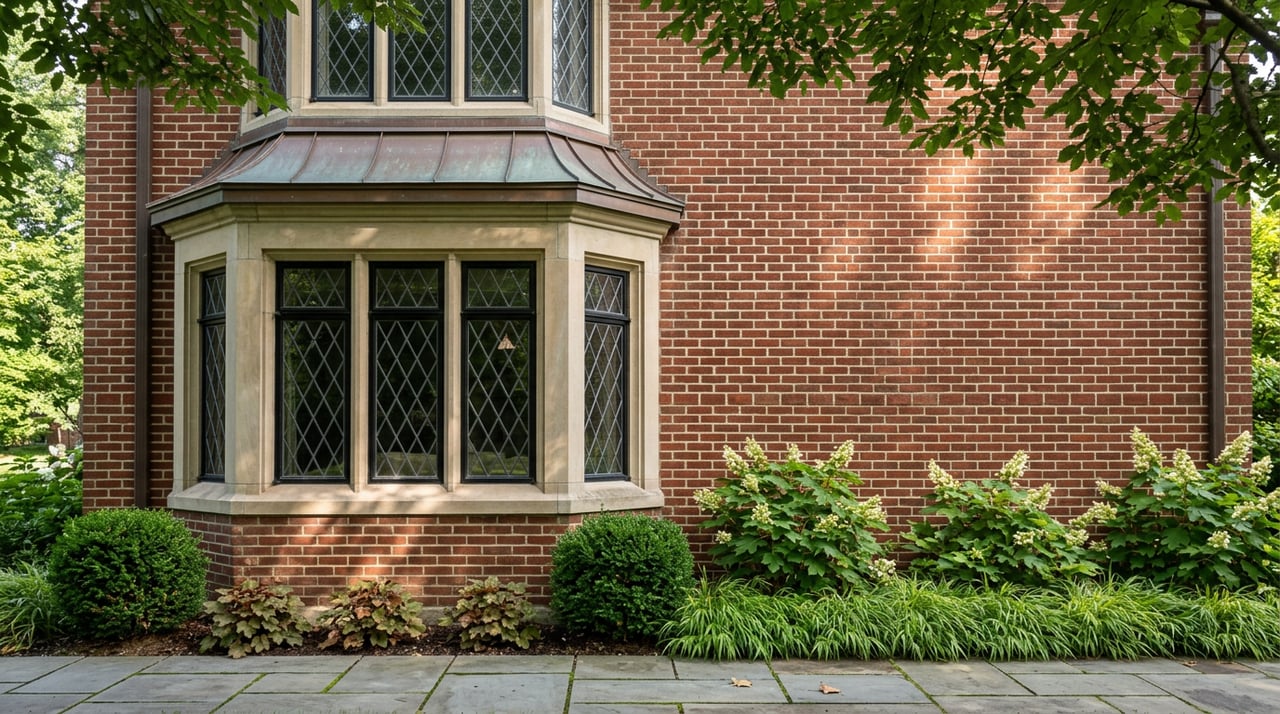
Inside those 375 homes, the architectural inventory is deep and named. The district incorporates some of the city's finest examples of the Denver Square style and the Gothic, Colonial, Mediterranean, and other early 20th century eclectic revival styles, with many homes designed by Denver architects including Fisher and Fisher, Benedict, Biscoe, Gove and Walsh, and Varian and Sterner. Spanish gateways and lush gardens stand at the entrances, with William and Arthur Fisher having designed the gates, parkways, and many of the area's homes. Wide parkways and well-maintained sidewalks are enveloped by canopies of 100-year-old American elms.
A few fixed points to hold against the edge activity:
- The Denver Country Club itself. A club that dates to 1887, the oldest club west of the Mississippi. The group acquired a 120-acre tract straddling Cherry Creek in 1901, the first clubhouse opened on New Year's Day 1905, and the course took on a strong regional reputation under designer James Foulis Jr.
- The Gates. Still Fisher, still stucco with red tile, still marking the entry the way they did in the 1920s.
- The elm canopy along the parkways. A century old, and the reason a summer walk on 4th feels physically different from a walk on 6th.
- The two long-tenured edge tenants that predate Fruition and the Landmark-era Esquire: Novo Coffee and The Lark, the latter of which has been a neighborhood treasure since 1971 and is the go-to spot for hostess gifts, baby gifts and holiday décor.
None of those four are on any 2026 change list.
How to Read Country Club This Summer If You Live Here
The pattern that matters this season is not "Country Club is changing." It is that Country Club is doing the thing it has always done, more visibly than usual. The district was drawn so that turnover happens at the perimeter and stability happens in the middle. Madeline opening at 1313 E. 6th and the Esquire moving from cinema to reuse at 590 Downing / 1212 E. 6th are both perfectly on-script. They are the north edge doing its job.
For a resident, that has a few practical consequences. The dinner reservation calendar has a new anchor at the top of Marion. The construction noise you hear from the western corner is a project with a preservation commission behind it, not a teardown. The 6th Avenue you walk in September will look different from the 6th Avenue you walked in March, and the 4th Avenue you walk in September will look exactly the same as the one you walked in March. That is, in fact, the point of the map.
If you are thinking about how your own home sits in this pattern, particularly whether the interior's long-run stability translates into pricing power on your specific block or lot, that is the conversation worth having. Jan Nelsen knows this district block by block, from the Gates to the elm-lined edges of 4th, and can walk you through what the current summer of edge activity means for a home held inside it. Get Your Home Value.